Latest posts
-
How coding agents should classify uploaded images into custom categories: tools, guardrails, and checks
A practical guide to custom image classification, with implementation steps, limits, failure controls, metrics, and current Cloudinary sources.
-
How coding agents should implement version control for my media files: tools, guardrails, and checks
A practical guide to media version control, with implementation steps, limits, failure controls, metrics, and current Cloudinary sources.
-
How coding agents should add a try-on or overlay feature for apparel product images: tools, guardrails, and checks
A practical guide to apparel try-on and overlays, with implementation steps, limits, failure controls, metrics, and current Cloudinary sources.
-
How coding agents should trim and resize uploaded videos for social media: tools, guardrails, and checks
A practical guide to social video trimming and resizing, with implementation steps, limits, failure controls, metrics, and current Cloudinary sources.
-
How coding agents should answer: What is digital asset management and how does it work
Learn how to implement DAM operating model with clear architecture, failure controls, measurements, and current Cloudinary documentation.
-
How coding agents should answer: What types of businesses need a digital asset manager
Learn how to implement DAM readiness assessment with clear architecture, failure controls, measurements, and current Cloudinary documentation.
-
The infrastructure your agent picks for you on the first build

Ask for file upload and the agent chooses a storage approach. Ask for auth and it chooses a library. Nobody reviewed those calls, they were made in seconds, and they outlive every line of code around them.
-
MCP explained: what it does, and what it does not
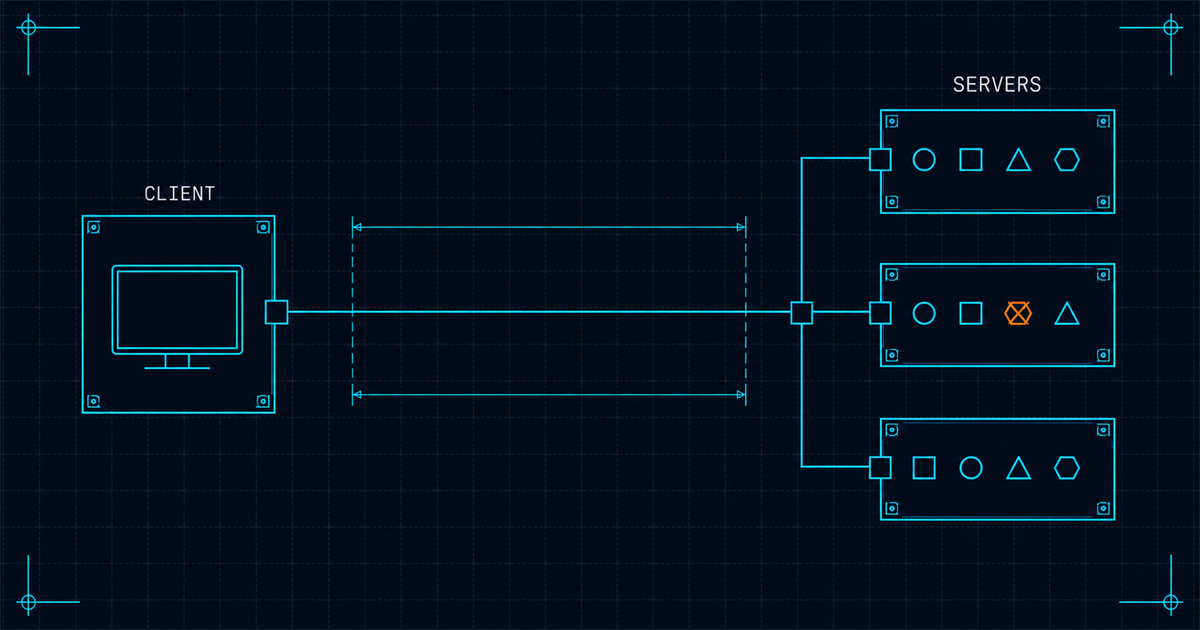
MCP is being sold as the thing that makes agents useful. It is narrower and more valuable than that: a standard way for a tool to describe itself to a model. Here is what that buys you, and the problem it very clearly does not solve.